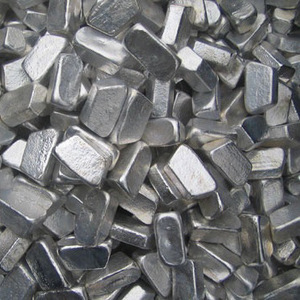
The manufacturing of lead-based products, including alloys and compounds, plays a pivotal role in various industries, from energy storage to construction. Specialized manufacturers, such as copper lead alloy manufacturers, tin lead alloy manufacturers, red lead manufacturers, and lead alloys manufacturers, are at the forefront of producing high-quality materials to meet diverse industrial needs. This blog delves into the significance of these manufacturers, their products, and their contributions to modern industry.
Copper Lead Alloy Manufacturers: Crafting Durable Solutions
Copper lead alloy manufacturers produce alloys by combining lead with copper to enhance specific properties, such as corrosion resistance and mechanical strength. These alloys are critical in applications requiring durability and conductivity:
- Bearings and Bushings: Copper lead alloys are widely used in automotive and industrial bearings due to their excellent load-bearing capacity and low friction.
- Electrical Components: The alloy’s conductivity makes it suitable for connectors and other electrical applications.
- Marine Applications: Its corrosion resistance is ideal for components exposed to harsh environments, such as seawater.
These manufacturers employ advanced smelting and alloying techniques to ensure precise copper content, typically ranging from 1-10%, to meet application-specific requirements. By maintaining strict quality control, copper lead alloy manufacturers deliver reliable materials for high-performance industries.
Tin Lead Alloy Manufacturers: Precision for Electronics and More
Tin lead alloy manufacturers specialize in creating alloys that combine lead with tin, known for their low melting points and excellent solderability. These alloys are a cornerstone in electronics and other precision industries:
- Soldering: Tin lead alloys are widely used in electronics for soldering circuit boards, ensuring strong and reliable connections.
- Coatings: These alloys provide protective coatings for metal surfaces, preventing corrosion and wear.
- Plumbing and Automotive: Historically used in pipes and automotive radiators, tin lead alloys remain relevant in specialized applications.
Tin lead alloy manufacturers focus on producing alloys with precise tin-to-lead ratios, often tailored to meet environmental regulations and industry standards. Their expertise ensures consistent quality, making their products indispensable in electronics manufacturing and beyond.
Red Lead Manufacturers: Powering Protection and Performance
Red lead manufacturers produce lead tetroxide (Pb₃O₄), a vibrant red compound valued for its anti-corrosive and chemical properties. Red lead is a critical material in several industries:
- Anti-Corrosive Paints: Red lead is a key ingredient in primers for steel structures like bridges, ships, and pipelines, offering superior rust protection.
- Battery Production: It enhances the performance of lead-acid battery plates, improving efficiency and lifespan.
- Ceramics and Glass: Red lead is used in glazes and specialty glass to enhance durability and color.
The production process involves heating lead or lead monoxide in controlled conditions to achieve the desired particle size and purity. Red lead manufacturers prioritize quality and consistency, ensuring their products meet the rigorous demands of protective coatings and energy storage applications.
Lead Alloys Manufacturers: Versatility in Industrial Applications
Lead alloys manufacturers encompass a broad range of producers who create specialized alloys by combining lead with elements like copper, tin, antimony, or calcium. These alloys are tailored to meet the needs of diverse industries:
- Battery Manufacturing: Lead alloys, such as calcium lead or antimony lead, are essential for producing durable and efficient lead-acid batteries used in automotive, renewable energy, and UPS systems.
- Radiation Shielding: Lead alloys are used in medical and nuclear facilities for their ability to block radiation.
- Cable Sheathing and Ammunition: Alloys with enhanced strength are ideal for protective cable coverings and bullet production.
These manufacturers leverage advanced metallurgical processes to produce alloys with precise compositions, ensuring optimal performance for specific applications. By focusing on innovation and sustainability, lead alloys manufacturers support industries striving for efficiency and environmental responsibility.
The Importance of Quality and Sustainability
The work of copper lead alloy manufacturers, tin lead alloy manufacturers, red lead manufacturers, and lead alloys manufacturers is critical to meeting the demands of modern industries. These manufacturers not only provide high-quality materials but also contribute to sustainability through lead recycling. Over 90% of lead used in batteries is recycled, reducing environmental impact and conserving resources.
As industries evolve, these manufacturers continue to innovate, developing lead-based products that meet stringent quality and environmental standards. Their expertise ensures that materials like copper lead alloys, tin lead alloys, and red lead remain integral to applications ranging from electronics to infrastructure.
Conclusion
The expertise of copper lead alloy manufacturers, tin lead alloy manufacturers, red lead manufacturers, and lead alloys manufacturers drives progress across multiple sectors. Their ability to produce specialized, high-quality materials supports critical applications while promoting sustainability through recycling and innovation. As demand for reliable and efficient materials grows, these manufacturers will continue to play a vital role in shaping the future of industrial manufacturing.